

The wind has died down, the power is back, and the cleanup is underway. Then you notice it: a damp streak under a window sill, or a soft whistle in the living room that wasn't there last month. Small window leaks are one of the most common things homeowners find after a hurricane or tropical storm passes through.
A post-storm window leak is any spot where water, air, or both now slip past your window's seal. Most are small. Think of a gap where the frame meets the trim, a corner where old caulk has pulled away, or a window that no longer closes quite as tight as it used to.
Small leaks matter because they rarely stay small. Every rain shower pushes a little more water inside, and Florida's humidity does the rest. Damp wood, swollen trim, and mold can follow. The good news is that many minor gaps take less than an hour to fix yourself.
In this guide, you'll learn how to check your windows safely after a storm, how to tell a minor gap from a problem that needs a pro, and how to reseal small gaps before hurricane season ends on November 30.
Why Hurricanes Leave Small Window Leaks Behind
Hurricanes stress windows in ways everyday weather doesn't. Strong winds drive rain sideways and push it into seams that normally stay dry. Shifts in air pressure flex window frames. Flying debris can nick trim and loosen caulk lines.
The Atlantic hurricane season runs from June 1 to November 30, according to the National Hurricane Center. In Florida, that means months of heavy afternoon rain and strong sun, even in years without a direct hit. Sun exposure dries out caulk and makes it crack over time. A storm often finishes off seals that were already wearing thin.
Small gaps also cost you money. The U.S. Department of Energy estimates that heat gained and lost through windows makes up about 25% to 30% of the energy a home uses for heating and cooling. In a Florida home where the AC runs most of the year, an unsealed gap lets cool air you paid for drift outside.
How to Check for Window Leaks After a Hurricane
Start your inspection once the storm has fully passed and local officials say it's safe to be outside. Work from the inside out, and plan on about 10 minutes per window.
Put Safety First
- Stay inside until local officials give the all-clear.
- Stay off ladders in wind or on wet ground. Check upper-floor windows from the inside instead.
- Watch for broken glass and sharp edges around damaged frames.
- Stay far away from downed power lines, and report them to your utility company.
- Photograph any damage before you fix anything. Insurance companies usually ask for photos, so document first and repair second.
Look for These Signs Inside
- Water stains or bubbling paint below sills and at window corners
- Damp, soft, or stained drywall around the frame
- Swollen or warped wood trim
- A musty smell near the window
- Fog or moisture trapped between the panes of double-pane glass
- Daylight showing around the edges of the frame
Try the tissue test for drafts. Hold a thin strip of tissue near each seam on a breezy day. If the tissue flutters, air is getting in, and water can likely follow it.
Then Check Outside
- Cracked, missing, or peeling caulk where the frame meets the wall
- Gaps between the frame and the exterior trim
- Torn or missing weatherstripping
- Dents, cracks, or chips from flying debris
Keep a simple list as you go: which window, where the gap is, and roughly how big it is. Take a photo of each spot. This list becomes your repair plan.
Minor Gap or Bigger Problem? How to Tell
This guide covers minor repairs only. Tape and sealant work well on small gaps, but they can't fix structural damage. Use this quick sort to decide what to do next.
You can likely handle it yourself:
- Small gaps or seams where the frame meets the trim
- Short sections of old caulk that are cracked or pulling away
- Drafts around a window that still opens, closes, and locks normally
- Gaps around a window AC unit
Call a licensed contractor or your insurance company:
- Cracked or broken glass
- Fog or moisture between double-pane glass, which means the factory seal has failed
- Frames that are bent, loose, rotted, or no longer square
- Water coming from the wall, ceiling, or roof above the window
- Spreading water damage or mold patches larger than about 10 square feet, which the EPA recommends leaving to professionals
When in doubt, call a pro. A quick inspection costs far less than fixing hidden water damage later. If you've filed an insurance claim, ask your insurer what temporary repairs they allow before an adjuster visits.
How to Reseal Window Gaps With Weather Sealing Tape
For small gaps along interior seams, a clear weather sealing tape is a fast, tidy fix. It needs no tools beyond scissors, and there's no drying time. Plan on about 15 minutes per window.
What you'll need:
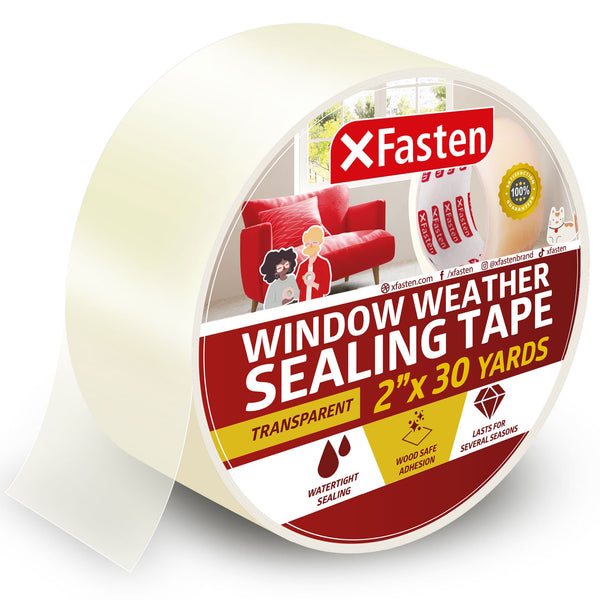
- XFasten Weather Sealing Tape (2 inches x 30 yards, transparent)
- Scissors
- A tape measure
- A clean, lint-free cloth
- Mild soap and water, or rubbing alcohol
Step-by-Step Instructions
- Let everything dry completely. Tape adhesive needs a dry surface to bond. After a storm, wait for a stretch of dry weather, and run a fan or your AC to help. Sealing over damp wood can trap moisture inside.
- Clean the surface. Wipe the frame and glass edge with soapy water or rubbing alcohol to remove salt, dust, and grime. Let the area dry fully.
- Measure and cut. Measure each seam, then cut a piece of tape about 1 inch longer on each end.
- Line it up. Peel back a few inches of the tape and center its 2-inch width over the gap, so it overlaps both sides evenly.
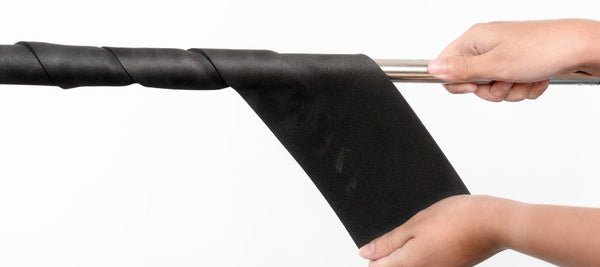
- Press as you go. Peel and press the tape along the seam a few inches at a time. Keep it straight and avoid wrinkles.
- Smooth it down. Run your fingers or a clean cloth firmly along the tape to push out air bubbles and get full contact.
- Test your work. Repeat the tissue test. If the tissue stays still, your seal is doing its job.
A quick safety note: Tape that seals a window's moving sash keeps that window closed until you peel the tape off. Keep at least one window in every bedroom easy to open in an emergency, and make sure everyone at home knows the tape peels off by hand.
For cracked caulk on the outside, a fresh bead of silicone sealant is usually the better match. Many homeowners use both: sealant on the exterior caulk line and tape on the interior seams.
Want to see it in action? Watch our short How to Use Weather Sealing Tape video for a quick walkthrough.
Pro Tips for a Seal That Lasts
- Work on a dry, mild day. Adhesive bonds best when the surface is clean, dry, and not baking in direct afternoon sun.
- Choose clear tape for windows you look through. Transparent tape keeps your view and blends in on glass, vinyl, wood, and metal frames.
- Recheck after every named storm. Pull out your list from this inspection and walk the same windows again. It takes minutes once you know where to look.
- Keep a roll in your hurricane kit. Store it next to the flashlights and batteries, so you can seal small gaps as soon as the weather clears.
- Remove it gently when you're done. Peel the tape slowly at a low angle, folding it back over itself. This helps it come off cleanly.
Seal the Small Stuff Before the Season Closes
After a hurricane, a calm, careful window check pays off. Start with safety and photos. Sort minor gaps from problems that need a pro. Then seal the small stuff while the weather is dry and the season is winding down.
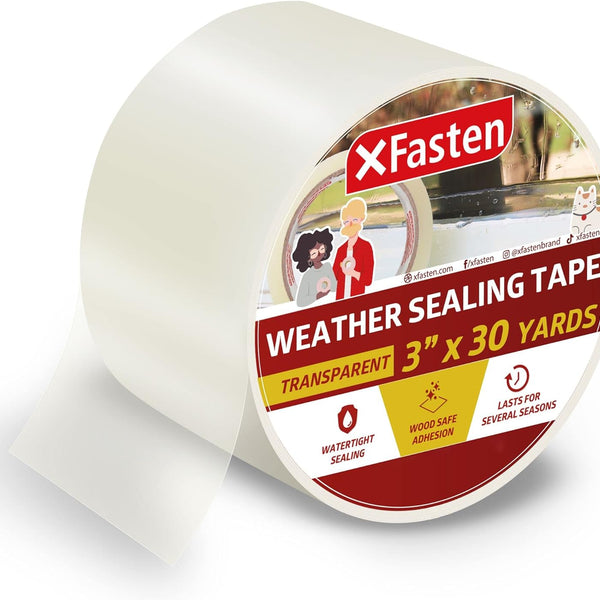
Once your list is ready, the next step is easy. XFasten Weather Sealing Tape seals small window gaps in minutes, holds up to sun and moisture, and peels away cleanly when you no longer need it. Grab a roll for today's repairs and a spare for your hurricane kit.

Comments
No comments yet. Be the first!