

You're standing in the paint aisle, staring at two nearly identical-looking rolls of tape — one yellow, one beige — and wondering if it actually matters which one you grab. It does. Using the wrong tape on a painting project can mean ragged edges, pulled-off paint, or adhesive residue you'll be scrubbing for an hour. Here's exactly what separates painter's tape from masking tape, and when to reach for each one.
They Look Alike — But They're Built for Different Jobs
Both painter's tape and masking tape are light, crepe-paper-backed tapes with a pressure-sensitive adhesive. From a distance, you'd never tell them apart. But under the surface, they're optimized for very different tasks — and using one when you need the other is one of the most common (and costly) DIY painting mistakes.
Here's the core difference in plain terms:
Masking tape is a general-purpose tape designed for holding, bundling, and light masking during industrial or mechanical tasks. Its adhesive is strong and designed to stick reliably — but it doesn't release cleanly once it's been on a surface for a while, especially under heat or sunlight.
Painter's tape (sometimes called blue tape) is engineered specifically for paint work. Its adhesive is formulated to bond securely during painting but release cleanly afterward — without pulling primer, peeling wall paint, or leaving sticky residue. It's also designed to resist paint bleed-through, so you get a crisp, sharp line every time.
Breaking Down the Key Differences
1. Adhesive Strength and Clean Release
This is the biggest practical difference. Masking tape uses a higher-tack adhesive. That's great for securing something temporarily, but leave it on a painted wall for a day or two, and you may lift the finish right off when you pull it.
Painter's tape uses a medium-tack adhesive calibrated specifically for painted and primed surfaces. It holds firmly enough to seal out paint bleed, but releases without damage — even after several days on the wall.
Bottom line: For any surface you care about (drywall, trim, cabinets, ceilings), always use painter's tape. Reserve masking tape for surfaces where residue and minor damage aren't concerns — like taping down drop cloths or bundling tools.
2. Paint Bleed Resistance
Masking tape's crepe paper is more porous, which means paint can wick under the edge and create fuzzy, uneven lines — the last thing you want on freshly painted trim or an accent wall.
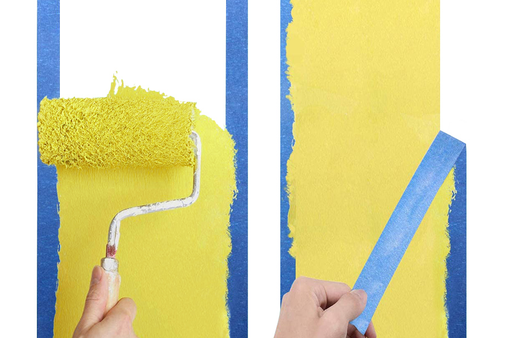
Quality painter's tape has a tighter paper structure and a micro-thin adhesive edge specifically designed to block paint from bleeding underneath. The result is a clean, razor-sharp paint line that looks professionally done.
3. UV and Heat Tolerance
Masking tape degrades quickly when exposed to sunlight or warm temperatures. The adhesive breaks down, making it gummy, hard to remove, and prone to tearing rather than peeling cleanly.
Painter's tape is formulated to hold up longer — typically rated for 1 to 14 days of clean removal, depending on the product. If you're working on an exterior project or a sunlit room, this difference matters enormously.
4. Surface Compatibility
Masking tape is generally only safe on surfaces that can handle aggressive adhesives — bare metal, plastic, unpainted wood. It can strip delicate finishes, pull off wallpaper, or damage freshly painted drywall.
Painter's tape is safe on a wide range of interior and exterior surfaces: drywall, painted walls, trim, glass, tile, laminate, and even delicate wallpaper (check product ratings). Some formulations are even safe on freshly dried latex paint as little as 24 hours old.
When Should You Actually Use Masking Tape?
Masking tape still has a legitimate place in your tool kit — just not on painted surfaces. Great uses include:
- Labeling boxes or storage containers
- Bundling cables, hoses, or materials during a job
- Temporarily securing drop cloths or plastic sheeting to concrete floors
- Auto body prep work where you'll remove tape same-day
- Craft projects where surface damage isn't a concern
If your project involves a finish you'd be upset to ruin, reach for painter's tape instead.
How to Get the Sharpest Paint Lines with Painter's Tape
Even great tape can give you uneven lines if you don't apply it correctly. Here are four pro habits that make a real difference:
1. Press the edge firmly. After laying the tape, run your fingernail or a putty knife along the inner edge (the side the paint will touch). A loose edge lets paint wick underneath.
2. Apply on a clean, dry surface. Dust, grease, or moisture will prevent the adhesive from bonding properly. Wipe down the surface before taping.
3. Pull at a 45-degree angle when removing. Don't rip straight back — pull slowly at a 45° angle, back toward the painted surface. This minimizes the chance of tearing or lifting the fresh paint.
4. Remove while the paint is still slightly tacky — or fully cured. The sweet spot is either while the paint is still fresh (within an hour of the final coat) or after it has fully cured (24–48 hours). Removing tape at the rubbery "almost-dry" stage increases the risk of peeling.
A Quick Comparison at a Glance
| Feature | Painter's Tape | Masking Tape |
|---|---|---|
| Adhesive type | Medium-tack, clean-release | High-tack, stronger bond |
| Surface safety | Painted walls, trim, glass, delicate surfaces | Bare metal, plastic, unpainted wood |
| Paint bleed resistance | High — tight paper edge | Low — porous edge |
| Clean removal window | 1–14 days (product-dependent) | Same-day best; residue risk after |
| UV/heat resistance | Good | Poor |
| Best use | Interior and exterior painting projects | Bundling, labeling, general utility |
Which Painter's Tape Should You Use?
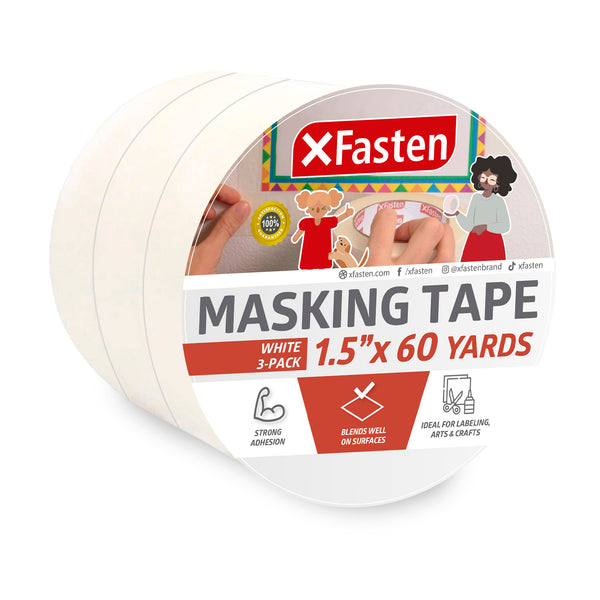
Not all painter's tape is created equal. For most spring interior painting projects — walls, trim, ceilings, accent colors — a 2-inch width gives you the right balance of coverage and precision. The XFasten Blue Painter's Tape 2"x60 Yds 3-Pack is built for exactly this kind of work: clean release on painted drywall and trim, sharp paint lines without bleed-through, and enough tape across three rolls to handle a full room without running out mid-project.
The 3-pack value also means you're not rationing tape — one of the most common reasons DIYers end up with sloppy edges is trying to stretch a single roll across a job that needs two.
[Image suggestion: Side-by-side photo of painter's tape vs. masking tape rolls, with a close-up inset showing the clean paint line result from painter's tape — alt text: "XFasten blue painter's tape vs masking tape comparison"]
Pro Tip: Spring Painting Season Is the Best Time to Replenish Your Tape Supply
Spring is peak painting season for good reason — mild temperatures and lower humidity create ideal conditions for latex and oil-based paints to cure properly. That also means painter's tape performs at its best: the adhesive bonds evenly and releases cleanly.
If you've been putting off freshening up a bedroom, repainting trim, or finally tackling that accent wall, now is the window. Stock up before the weekend warrior rush hits hardware stores.
The Bottom Line
Painter's tape and masking tape might share shelf space, but they serve fundamentally different purposes. For any project where you care about clean paint lines, protected surfaces, and a professional finish, painter's tape isn't a luxury — it's the right tool for the job. Masking tape is excellent at what it's designed for; it's just not designed for painting.
The next time you're in the paint aisle, don't grab whichever roll is closest. Grab the one built for the job — and take that prep step seriously. Sharp tape edges are what separate a paint job that looks done from one that looks finished.
Ready to get crisp, clean paint lines this spring? Check out XFasten Blue Painter's Tape 2"x60 Yds 3-Pack — and while you're at it, browse the XFasten blog for more project guides, seasonal tips, and product how-tos.


Comments
6 Comments
<p>شركة مكافحة حشرات بالقطيف وكذلك شركة كشف تسربات المياه بالقطيف وتنظيف خزانات وتنظيف الموكيت والسجاد والكنب والشقق والمنازل بالقطيف وتنظيف الخزانات بالقطيف وتنظيف المساجد بالقطيف شركة تنظيف بالقطيف تنظيف المسابح بالقطيف<br> https://jumperads.com/qatif/anti-insects-company-qatif.html شركة مكافحة حشرات بالقطيف<br> https://jumperads.com/qatif/water-leaks-detection-company-qatif.html شركة كشف تسربات بالقطيف<br> https://jumperads.com/qatif/qatif-company-surfaces.html شركة عزل اسطح بالقطيف<br> https://jumperads.com/qatif/qatif-company-sewage.html شركة تسليك مجاري بالقطيف<br> https://jumperads.com/qatif/qatif-cleaning-company-sofa.html شركة تنظيف كنب بالقطيف<br> https://jumperads.com/qatif/qatif-cleaning-company-mosques.html شركة تنظيف مساجد بالقطيف<br> https://jumperads.com/qatif/qatif-cleaning-company-Carpet.html شركة تنظيف سجاد بالقطيف<br> https://jumperads.com/qatif/qatif-cleaning-company-tanks.html شركة تنظيف خزانات بالقطيف<br> https://jumperads.com/qatif/qatif-cleaning-company-swimming-bath.html شركة تنظيف وصيانة مسابح بالقطيف<br> https://jumperads.com/qatif/qatif-cleaning-company-Furniture.html شركة تنظيف الاثاث بالقطيف<br> https://jumperads.com/qatif/qatif-cleaning-company-home.html شركة تنظيف شقق بالقطيف<br> https://jumperads.com/qatif/qatif-cleaning-company-Carpets.html شركة تنظيف موكيت بالقطيف<br> https://jumperads.com/qatif/qatif-cleaning-company.html شركة تنظيف مجالس بالقطيف<br> https://jumperads.com/qatif/qatif-cleaning-company-house.html شركة تنظيف منازل بالقطيف<br> https://jumperads.com/qatif/qatif-cleaning-company-curtains.html شركة تنظيف ستائر بالقطيف<br> https://jumperads.com/qatif/qatif-cleaning-company-Villas.html شركة تنظيف فلل بالقطيف<br> https://jumperads.com/qatif/qatif-company-tile.html شركة جلي بلاط بالقطيف</p>
<p>https://companymovers9.wordpress.com/<br> https://newmoverdotblog.wordpress.com/<br> https://qwasdew.wordpress.com/<br> https://gigisaad.wordpress.com/</p>
<p>شركة سكاي لخدمات نقل العفش والاثاث بالمنطقة العربية السعودية نحن نوفر خدمات نقل اثاث بالرياض ونقل عفش بالمدينة المنورة ونقل عفش بمكة ونقل عفش بالطائف نحن نقدم افضل نقل اثاث بخميس مشيط ونقل عفش بجدة</p> <p>https://treeads.net/ شركة سكاي نقل العفش<br> https://treeads.net/blog.html مدونة لنقل العفش<br> https://treeads.net/movers-mecca.html شركة نقل عفش بمكة<br> https://treeads.net/movers-riyadh-company.html شركة نقل عفش بالرياض<br> https://treeads.net/all-movers-madina.html شركة نقل عفش بالمدينة المنورة<br> https://treeads.net/movers-jeddah-company.html شركة نقل عفش بجدة<br> https://treeads.net/movers-taif.html شركة نقل عفش بالطائف<br> https://treeads.net/movers-dammam-company.html شركة نقل عفش بالدمام<br> https://treeads.net/movers-qatif.html شركة نقل عفش بالقطيف<br> https://treeads.net/movers-jubail.html شركة نقل عفش بالجبيل<br> https://treeads.net/movers-khobar.html شركة نقل عفش بالخبر<br> https://treeads.net/movers-ahsa.html شركة نقل عفش بالاحساء<br> https://treeads.net/movers-kharj.html شركة نقل عفش بالخرج<br> https://treeads.net/movers-khamis-mushait.html شركة نقل عفش بخميس مشيط<br> https://treeads.net/movers-abha.html شركة نقل عفش بابها<br> https://treeads.net/movers-qassim.html شركة نقل عفش بالقصيم<br> https://treeads.net/movers-yanbu.html شركة نقل عفش بينبع<br> https://treeads.net/movers-najran.html شركة نقل عفش بنجران<br> https://treeads.net/movers-hail.html شركة نقل عفش بحائل<br> https://treeads.net/movers-buraydah.html شركة نقل عفش ببريدة<br> https://treeads.net/movers-tabuk.html شركة نقل عفش بتبوك<br> https://treeads.net/movers-dhahran.html شركة نقل عفش بالظهران<br> https://treeads.net/movers-rabigh.html شركة نقل عفش برابغ<br> https://treeads.net/movers-baaha.html شركة نقل عفش بالباحه<br> https://treeads.net/movers-asseer.html شركة نقل عفش بعسير<br> https://treeads.net/movers-mgmaa.html شركة نقل عفش بالمجمعة<br> https://treeads.net/movers-sharora.html شركة نقل عفش بشرورة<br> https://treeads.net/how-movers-furniture-yanbu.html كيفية نقل العفش بينبع<br> https://treeads.net/price-movers-furniture-yanbu.html اسعار نقل عفش بينبع<br> https://treeads.net/find-company-transfer-furniture-yanbu.html البحث عن شركات نقل العفش بينبع<br> https://treeads.net/transfer-furniture-khamis-mushit.html شركات نقل العفش بخميس مشيط<br> https://treeads.net/how-transfer-furniture-khamis-mushit.html كيفية نقل العفش بخميس مشيط<br> https://treeads.net/price-transfer-furniture-khamis-mushit.html اسعار نقل عفش بخميس مشيط<br> https://treeads.net/%D8%B4%D8%B1%D9%83%D8%A9-%D8%AC%D9%84%D9%8A-%D8%A8%D9%84%D8%A7%D8%B7-%D8%A8%D8%AC%D8%AF%D8%A9.html شركة جلي بلاط بجدة<br> https://treeads.net/%D8%B4%D8%B1%D9%83%D8%A9-%D8%AA%D9%86%D8%B8%D9%8A%D9%81-%D9%81%D9%84%D9%84-%D8%A8%D8%AC%D8%AF%D8%A9.html تنظيف فلل بجدة<br> https://treeads.net/company-transfer-furniture-jazan.html شركة نقل عفش بجازان<br> https://treeads.net/best-company-cleaning-jeddah-2020.html افضل شركة تنظيف بجدة</p>
<p>شركة كيان لنقل العفش بالرياض والمدينة المنورة وجدة ومكة والطائف والدمام تقديم لكم دليل كامل لشركات نقل العفش بالمملكة العربية السعودية<br> https://mycanadafitness.com/ شركة كيان لنقل العفش<br> https://mycanadafitness.com/forum.html منتدي نقل العفش<br> https://mycanadafitness.com/movingfurnitureriyadh.html شركة نقل اثاث بالرياض<br> https://mycanadafitness.com/movingfurniturejaddah.html شركة نقل اثاث بجدة<br> https://mycanadafitness.com/movingfurnituremecca.html شركة نقل اثاث بمكة<br> https://mycanadafitness.com/movingfurnituretaif.html شركة نقل اثاث بالطائف<br> https://mycanadafitness.com/movingfurnituremadina.html شركة نقل اثاث بالمدينة المنورة<br> https://mycanadafitness.com/movingfurnituredammam.html شركة نقل اثاث بالدمام<br> https://mycanadafitness.com/movingfurniturekhobar.html شركة نقل اثاث بالخبر<br> https://mycanadafitness.com/movingfurnituredhahran.html شركة نقل اثاث بالظهران<br> https://mycanadafitness.com/movingfurniturejubail.html شركة نقل اثاث بالجبيل<br> https://mycanadafitness.com/movingfurnitureqatif.html شركة نقل اثاث بالقطيف<br> https://mycanadafitness.com/movingfurnitureahsa.html شركة نقل اثاث بالاحساء<br> https://mycanadafitness.com/movingfurniturekharj.html شركة نقل اثاث بالخرج<br> https://mycanadafitness.com/movingfurniturekhamismushit.html شركة نقل اثاث بخميس مشيط<br> https://mycanadafitness.com/movingfurnitureabha.html شركة نقل اثاث بابها<br> https://mycanadafitness.com/movingfurniturenajran.html شركة نقل اثاث بنجران<br> https://mycanadafitness.com/movingfurniturejazan.html شركة نقل اثاث بجازان<br> https://mycanadafitness.com/movingfurnitureasir.html شركة نقل اثاث بعسير<br> https://mycanadafitness.com/movingfurniturehail.html شركة نقل اثاث بحائل<br> https://mycanadafitness.com/movingfurnitureqassim.html شركة نقل عفش بالقصيم<br> https://mycanadafitness.com/movingfurnitureyanbu.html شركة نقل اثاث بينبع<br> https://mycanadafitness.com/movingfurnitureburaidah.html شركة نقل عفش ببريدة<br> https://mycanadafitness.com/movingfurniturehafralbatin.html شركة نقل عفش بحفر الباطن<br> https://mycanadafitness.com/movingfurniturerabigh.html شركة نقل عفش برابغ<br> https://mycanadafitness.com/movingfurnituretabuk.html شركة نقل عفش بتبوك<br> https://mycanadafitness.com/movingfurnitureasfan.html شركة نقل عفش بعسفان<br> https://mycanadafitness.com/movingfurnituresharora.html شركة نقل عفش بشرورة<br> https://mycanadafitness.com/companis-moving-riyadh.html شركات نقل العفش بالرياض<br> https://mycanadafitness.com/cars-moving-riyadh.html سيارات نقل العفش بالرياض<br> https://mycanadafitness.com/company-number-moving-riyadh.html ارقام شركات نقل العفش بالرياض<br> https://mycanadafitness.com/company-moving-jeddah.html شركات نقل العفش بجدة<br> https://mycanadafitness.com/price-moving-jeddah.html اسعار نقل العفش بجدة<br> https://mycanadafitness.com/company-moving-mecca.html شركات نقل العفش بمكة</p>
<p>Good day to you all in this site, my name is Maris Paul I want to write about my great Doc who put the smile on my face again I was just hopeless when my family doctor told me there is no cure to this sickness HSV2, this horrible sickness really stress me out anytime I have outbreak well I very happy to have a normal life again since I meet DR.AFRID who pull me out from this bondage, I was searching for cure in the internet when I found out about this doctor on a lady post that she was cured by him, I email him for help also and explain everything to him, then I was told by him there is cure to HSV 2 and I was so happy deep inside my heart, I requested for medicine that was how he sent it down to me with UPS and I have the cure within 4day, I only take the herbal medicine for just 2 week according to the doc instructed, after everything I book for appointment for test I was so happy when I have my result I was completely cured that is why I am writing this out for people to know there is cure to this sickness you can also email the doctor through DRAFRIDHERBALHOME@GMAIL.COM or visit His website to know more https://afred-natural-recipe.b12sites.com/index#home</p>
<p>Good day to you all in this site, my name is Maris Paul I want to write about my great Doc who put the smile on my face again I was just hopeless when my family doctor told me there is no cure to this sickness HSV2, this horrible sickness really stress me out anytime I have outbreak well I very happy to have a normal life again since I meet DR.AFRID who pull me out from this bondage, I was searching for cure in the internet when I found out about this doctor on a lady post that she was cured by him, I email him for help also and explain everything to him, then I was told by him there is cure to HSV 2 and I was so happy deep inside my heart, I requested for medicine that was how he sent it down to me with UPS and I have the cure within 4day, I only take the herbal medicine for just 2 week according to the doc instructed, after everything I book for appointment for test I was so happy when I have my result I was completely cured that is why I am writing this out for people to know there is cure to this sickness you can also email the doctor through DRAFRIDHERBALHOME@GMAIL.COM or visit His website to know more https://afred-natural-recipe.b12sites.com/index#home</p>