

It's 88 degrees at 3 p.m., and the AC is running hard. By breakfast the next morning, a cold front has blown through, it's 45 degrees, and you can feel a chill sliding in around the bedroom window. Welcome to fall in Texas.
Texans call it weather whiplash: big, fast temperature swings between hot afternoons and cold nights, sometimes in the same day. Your home feels every one of those swings, and your windows are often where it feels them most.
Here's why that matters. Small gaps around window frames let cool air escape on hot days and let cold air in on chilly nights. Your AC and heater end up taking turns working overtime, and you pay for both. The upside is that one simple fix handles both problems.
In this guide, you'll learn why Texas fall weather is so hard on your home, how to find the window gaps that matter most, and how to seal them once so they work for you in heat and cold alike.
Why Texas Fall Weather Is So Hard on Your Home
Texas falls swing between summer heat and winter cold, often within a single week. In early fall, many parts of the state still see afternoon highs in the 80s and 90s. Then a strong cold front, the kind Texans call a "blue norther," can push through and drop temperatures sharply in just a few hours, according to the National Weather Service.
Every swing tests your windows. Window frames expand in the heat and contract in the cold. Over time, that movement opens small gaps along seams and dries out old caulk. A gap you never noticed in July can turn into a cold draft in November.
Those gaps add up on your energy bill. The U.S. Department of Energy estimates that heat gained and lost through windows makes up about 25% to 30% of the energy a home uses for heating and cooling. In a Texas home that may run the AC in the afternoon and the heater overnight, leaky windows cost you twice.
One Fix for Heat and Cold: How Sealing Gaps Works Both Ways
A sealed gap blocks air in both directions. That's the key idea behind this whole project. You don't need one fix for summer and another for winter.
Here's what a single seal does across a typical Texas fall day:
- Hot afternoon: It keeps the air you cooled inside, so your AC cycles less.
- Cold night: It keeps chilly air from sneaking in, so your heater doesn't have to chase drafts.
- Windy day: It cuts down on dust and fall pollen blowing in through the cracks.
- Rainy day: It helps block moisture from seeping in at the seams.
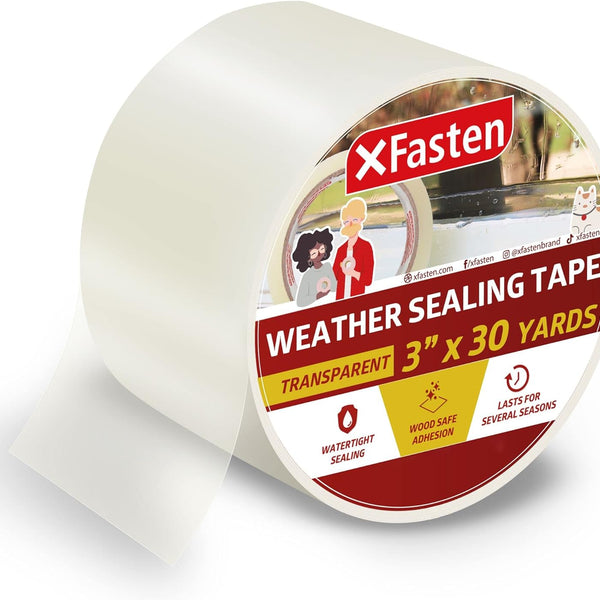
This is where a clear weather sealing tape earns its place. XFasten Weather Sealing Tape is built to handle changing conditions. It sticks to glass, wood, plastic, and metal, it's made to withstand temperature swings and UV rays, and its transparent finish keeps your view clear. You put it on once in the fall, and it keeps working whether the next day brings sunshine or a norther.
How to Find the Window Gaps That Matter Most
Use the weather swings to your advantage. A big temperature difference between inside and outside makes drafts much easier to find. A cool morning after a front is the perfect time to look.
Three Quick Tests
- The hand test. On a cool morning, run the back of your hand slowly along each window seam. Cold spots or a light breeze point to a gap.
- The tissue test. Hold a thin strip of tissue near the frame on a breezy day. If it flutters, air is getting through.
- The paper test. Close the window on a strip of paper, then gently pull. If it slides out with no resistance, the seal along that sash is loose.
Start With These Windows
Not every window works equally hard. In Texas, these usually deserve your attention first:
- North- and northwest-facing windows. Fall cold fronts usually blow in from the north, so these windows take the hardest hit from cold wind.
- West-facing windows. They soak up the strongest afternoon sun, so gaps here let the most heat in on warm days.
- Bedroom windows. Drafts here affect your sleep on cold nights.
- Older windows. Single-pane glass and aging frames tend to have the most gaps.
Make a quick list as you go: which window, where the gap is, and which direction it faces. Start sealing from the top of the list.
How to Seal Your Windows for Heat and Cold
Sealing a typical window takes about 15 minutes, with no special tools. Pick a mild, dry day for the best results.
What you'll need:
- XFasten Weather Sealing Tape (2 inches x 30 yards, transparent)
- Scissors
- A tape measure
- A clean, lint-free cloth
- Mild soap and water, or rubbing alcohol
Step-by-Step Instructions
- Clean the seams. Wipe the frame and glass edges with soapy water or rubbing alcohol. Texas dust and pollen settle in window tracks, and adhesive bonds best to a clean surface.
- Let it dry. Give the surface a few minutes to dry completely before you tape.
- Measure and cut. Measure each seam and cut a piece of tape about 1 inch longer on each end.
- Center the tape. Line up the 2-inch width over the gap so it overlaps both sides evenly.
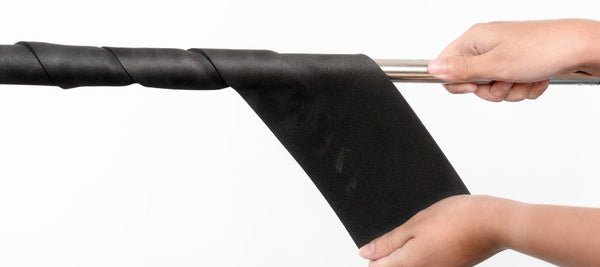
- Press and smooth. Peel and press the tape along the seam a few inches at a time. Then run a cloth firmly along it to push out air bubbles.
- Retest. Repeat the hand or tissue test on the next cool morning. If the draft is gone, you're set for the season.
A quick safety note: Tape that seals a window's moving sash keeps that window closed until you peel the tape off. Keep at least one window in every bedroom easy to open in an emergency, and make sure everyone at home knows the tape peels off by hand.
Pro Tips for Texas Homes
- Seal before the first big norther. Drafts are easiest to fix before you need the heat. Early fall gives you mild days that are perfect for taping.
- Leave it on through spring. Because the seal works in both heat and cold, there's no need to remove it when the weather flips back to warm. Keep it in place until you're ready to open windows for good.
- Pair it with a smart thermostat schedule. The Department of Energy notes that adjusting your thermostat 7 to 10 degrees for 8 hours a day can save up to 10% a year on heating and cooling. A sealed home holds those settings better.
- Check your window AC unit. If you use one in a guest room or garage, seal the gaps around its side panels. Those are classic leak points.
- Tailor it to your region. In humid Houston, focus on keeping moisture out. In the Panhandle, cold wind is the bigger threat. In Central Texas, plan for both.
Seal Once, Stay Comfortable All Season
Texas fall weather won't make up its mind, but your windows can be ready for whatever it brings. Find the gaps on a cool morning, start with the windows facing north and west, and seal them once so they work in heat and cold alike.
When you're ready to get started, XFasten Weather Sealing Tape makes it a quick afternoon project. It's clear, it holds up to temperature swings, and one roll covers many windows. Seal now, and let the next norther blow right past.


Comments
No comments yet. Be the first!